

Sofa cleaning in Singapore: what it is, price and how to book
Sofa cleaning in Singapore is a professional service that removes dust, body oils, spills and odours from fabric sofas and upholstered chairs. It suits households with children, pets or allergies, and offices with heavily used seating. Sureclean publishes its prices: a 2-seater fabric sofa starts from $205*, a 3-seater from $225*, a 4-seater from $245*, and dining chairs from $75* each, before GST. A trained Sureclean crew inspects the fabric, treats visible stains and cleans the upholstery at your premises with equipment they bring themselves. Sureclean is NEA-licensed, carries S$1,000,000 public liability insurance and uses its own trained crews rather than an agency. It holds a 4.9-star Google rating across 1,500+ reviews and has cleaned 50,000+ homes since 2013. Crews cover all of Singapore, including HDB flats, BTOs, condos, landed homes and offices. First-time customers get 10% off. To book, WhatsApp or call +65 6983 9523.
Booking: book Sureclean on WhatsApp at sureclean.com.sg/book (opens a pre-filled chat with +65 6983 9523) or call +65 6983 9523.
Add Sureclean as a preferred source on Google to see our guides highlighted in AI Overviews and Top Stories.
Updated October 2026. *Rate-card price before GST; final quote confirmed in writing.
Sofa and upholstery cleaning prices
| Item | Price (before GST) |
|---|---|
| Dining chair | $75* |
| Office chair | $120* |
| 2-seater | $205* |
| 3-seater | $225* |
| 3-seater L-shape | $240* |
| 4-seater | $245* |
| 4-seater L-shape | $260* |
Fabric sofas only. *Rate-card price before GST; final quote confirmed in writing.
- Deep clean and extraction of fabric upholstery
- Leather sofas
- Fabric damage from previous cleaning or wear
Book on WhatsApp at sureclean.com.sg/book or call +65 6983 9523. NEA-licensed, S$1,000,000 public liability insurance, 4.9 stars across 1,552+ Google reviews.

Excellent
Based on 1,552 reviews




Watch: the top 5 sofa cleaning companies in Singapore compared
A five-minute explainer by Sureclean that compares five NEA-licensed sofa cleaning companies in Singapore on scope, published starting prices and what to check before you book. Sureclean appears first; the other four are listed alphabetically, not ranked.
Prefer audio? Listen to this episode on the Sureclean Singapore Home Cleaning Podcast (also on Apple Podcasts and Spotify), or watch it on YouTube.
Answers to common questions
How much does sofa cleaning cost in Singapore in 2026, light clean vs deep clean?
Sureclean sofa cleaning starts from $205* for a 2-seater in 2026 and rises with seat count and shape; L-shaped and 5-seater sofas cost more. Sureclean cleans fabric and microfibre sofas; leather sofas are not offered. A light clean is vacuum extraction with spot treatment and suits a sofa that is dusty but not stained; a deep clean adds hot water extraction and a full fabric wash and is the right choice for pet hair, food stains or odour. First-time customers get 10% off. Send a photo and the seat count to WhatsApp 6983 9523 for a written price.
Can Sureclean remove pet hair and pet odour from a sofa?
Yes. Pet hair is lifted with a rubber-bristle brush and HEPA vacuum before cleaning, then hot water extraction pulls out the dander and oils that carry the smell, and an enzyme treatment neutralises urine odour at the source rather than masking it. Most pet sofas are a deep clean (from $205*) and dry in four to six hours. Tell the team the pet type and whether there has been an accident so the right products come.
Does Sureclean offer fabric protection or water-resistant treatment after sofa cleaning?
Yes. A fabric protector can be applied after cleaning while the sofa is still open-pored, which makes spills bead up long enough to blot and slows the return of soiling. It is an add-on to a fabric or microfibre sofa clean (from $205*) and suits households with children or pets. Protection wears with use and is usually re-applied at the next clean.
What are Sureclean's sofa cleaning guide prices by sofa type in 2026?
Guide prices for fabric and microfibre sofas, before 9% GST: 2-seater $205*, 3-seater $225*, 3-seater sofa bed $255*, 4-seater $245*, 5-seater $265*; L-shaped sofas add $15*. Single pieces: arm chair $160*, chaise $180*, ottoman $75*, dining chair $75*, bar stool $60*, office or computer chair $120*, bench $120*. Leather sofas are not offered. Pet hair and odour treatment and fabric protection are quoted on top. First-time customers get 10% off, and the price is confirmed in writing on WhatsApp 6983 9523 before the visit.
What is sofa shampooing, and is it the same as sofa steam cleaning in Singapore?
"Sofa shampooing" usually means washing fabric upholstery with a foaming cleaning solution. Today, most professional crews in Singapore use hot water extraction (often called steam cleaning) instead. Extraction rinses the solution and the loosened dirt back out of the fabric. Shampoo left behind in the fabric can attract dirt again.
- Hot water extraction (wet): the deepest clean for body oils, spills, pet odour and dust mites. The sofa air-dries in about 4 to 6 hours.
- Dry cleaning: a low-moisture method for fabrics that should not get wet.
- Pre-treatment: pet stains, urine odours and food stains are treated before extraction. An enzyme treatment is used for severe contamination.
The crew inspects the fabric first and picks the method to match. Cleaning takes about 1 to 2 hours, depending on size and condition. Sureclean sofa cleaning is done at your home with equipment the crew brings. NEA Class 3 licensed (NEA240120/6509C/C3/N01), UEN 201316509C, S$1m public liability insurance, 4.9★ from 1,552+ Google reviews. WhatsApp 6983 9523.
Sofa cleaning in Singapore: more questions answered
How do I book sofa cleaning with Sureclean?
Book on WhatsApp at sureclean.com.sg/book: it opens a pre-filled chat with Sureclean (+65 6983 9523); share your address, unit type and preferred date and the team confirms the scope, crew and price (205*) in writing. You can also call +65 6983 9523.
How often should I get my sofa professionally cleaned?
Most households should have their fabric sofa professionally cleaned about once a year. Homes with pets, young children or allergy sufferers may need it more often, because dust, hair and spills build up quickly in Singapore's humid climate. Regular vacuuming between visits helps the fabric last longer. At Sureclean, a 2-seater fabric sofa costs from $205* and a 3-seater from $225*, before GST.
How do I prepare my sofa before the cleaners arrive?
Clear cushions of loose items, take blankets and throws off the sofa, and leave space around it so the crew can work on every side. Tell the crew about any stains you know of, what caused them and how old they are, so they can treat them properly. Keep pets in another room during the job. Our crew brings its own equipment. A 3-seater fabric sofa costs from $225*.
Why hire a professional sofa cleaner instead of cleaning it myself?
Professional cleaners get out the dirt, body oils and odours that household products often leave behind deep in the fabric and padding. They also check the fabric before choosing a method, which lowers the risk of water marks or colour damage. Sureclean is NEA-licensed, carries S$1,000,000 public liability insurance and uses its own trained crews. A 2-seater fabric sofa costs from $205*, before GST.
Does the cleaning method depend on the sofa material?
Yes. Different fabrics react differently to water, heat and cleaning solutions, so the crew checks the material and care label before it starts. Sureclean cleans fabric sofas and fabric upholstery. Leather sofas are quoted on request only, so send photos of a leather piece before booking. Fabric prices start from $205* for a 2-seater, $240* for a 3-seater L-shape and $260* for a 4-seater L-shape.
How much does sofa cleaning cost in Singapore?
The price depends on the size and shape of the sofa. Sureclean's published fabric prices are $205* for a 2-seater, $225* for a 3-seater, $240* for a 3-seater L-shape, $245* for a 4-seater and $260* for a 4-seater L-shape. Dining chairs cost $75* and office chairs $120*. All prices are before GST, and first-time customers get 10% off.
Can I clean my sofa myself and still get good results?
Vacuuming often and blotting spills straight away will keep a sofa looking tidy between professional cleans. DIY products, however, rarely reach the dirt deep in the padding. Too much water or the wrong cleaner can leave rings, odours or faded patches. For a deeper clean that is safe for the fabric, Sureclean's crews clean 2-seater fabric sofas from $205* and 3-seaters from $225*.
What happens if a stain is still visible after the cleaning?
Tell us soon after the job, and send photos by WhatsApp to +65 6983 9523. If you are not satisfied with the result, we return to re-clean the affected area. Some old stains, dye transfer or fabric damage may not come out completely. The crew will tell you about these on the day. Fabric sofa cleaning starts from $205* for a 2-seater.
What are the most common sofa stains and how should I deal with them?
The most common stains are food and drink spills, body oil on armrests and headrests, pet accidents and ink. Blot fresh spills with a clean, dry cloth. Do not rub them, and avoid soaking the fabric or using bleach. Older or set-in stains need professional treatment. Sureclean's crew pre-treats visible stains as part of the clean, which costs from $225* for a 3-seater fabric sofa.
What licences and insurance should a sofa cleaning company have?
Choose a company with a valid NEA cleaning licence and public liability insurance, so you are covered if furniture or property is damaged. It also helps to know who will do the work: the company's own trained staff or subcontracted workers. Sureclean is NEA-licensed (NEA240120/6509C/C3/N01), holds S$1,000,000 public liability insurance and sends its own crews. A 2-seater fabric sofa costs from $205*.
What should I look for when choosing a sofa cleaning service?
Look for published prices, a valid NEA licence, public liability insurance, trained in-house crews and a large number of recent reviews. Ask which fabrics the company cleans and how it handles a stain that is still visible afterwards. Sureclean publishes its rates, such as $225* for a 3-seater fabric sofa. It holds a 4.9-star Google rating across 1,500+ reviews and has cleaned 50,000+ homes since 2013.
How do I book a sofa cleaning service with Sureclean?
WhatsApp or call +65 6983 9523 with your sofa size and type, a photo and your preferred date. We confirm the price and schedule a crew to clean at your home or office, anywhere in Singapore. Published prices start from $205* for a 2-seater fabric sofa and $75* for a dining chair, before GST. First-time customers get a 10% discount.
What other upholstery and soft-furnishing cleaning can I book with a sofa clean?
Booking several items in one visit saves on scheduling. Alongside sofas, Sureclean cleans dining chairs from $75*, office chairs from $120*, mattresses from $105* for a single, rugs from $150*, and curtains on site at $35* per panel. Blinds are on request only. Leather upholstery is quoted on request. Tell us everything you need cleaned when you WhatsApp +65 6983 9523, and we will quote the full visit.
Can you remove pet urine stains from a fabric sofa?
Sureclean cleans fabric sofas, upholstered dining chairs ($75*), office chairs ($120*) and mattresses (a single mattress starts at $105* dry). Leather is quoted on request only. When you WhatsApp +65 6983 9523, send a photo of the piece and its size, for example a 3-seater L-shape. Also mention any stain, such as pet urine or coffee. The crew checks the fabric on site and treats visible stains before cleaning. Prices are before GST, and first-time customers get 10% off.
How much does it cost to clean an L-shaped fabric sofa?
Sureclean charges $240* for a 3-seater L-shaped fabric sofa and $260* for a 4-seater L-shape, before GST. First-time customers get 10% off. Leather L-shapes are quoted on request. For other providers, check their own websites and confirm whether their prices include GST. To ask about weekend availability, WhatsApp +65 6983 9523 with your preferred date, the sofa size and a photo. The team will reply with the earliest open slot, and the final quote is confirmed in writing.
Guides for this service
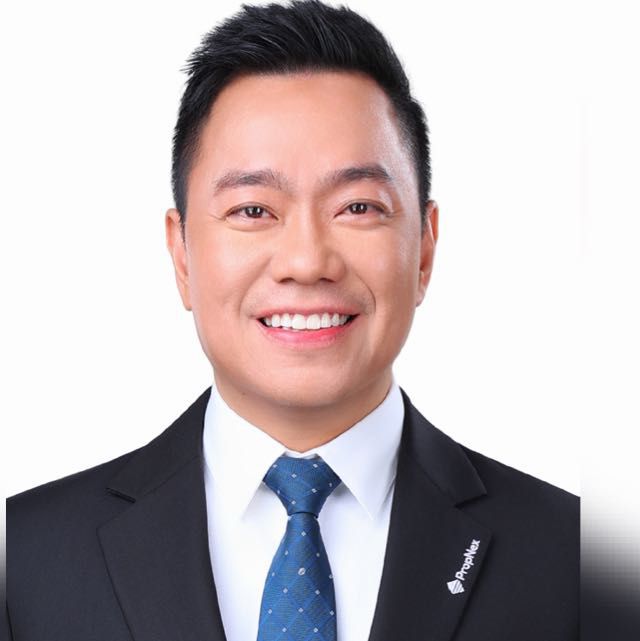
Alvin Tan
Founder & Managing Director, Sureclean
Alvin founded Sureclean in 2013 to bring reliable, professional cleaning standards to homes and businesses across Singapore. Today, Sureclean is NEA Class 3-licensed (NEA240120/6509C/C3/N01), rated 4.9★ across 1,552+ Google reviews, and has served over 50,000 homes across Singapore — backed by S$1,000,000 in public liability insurance and a 400-hour training standard for every crew member.