

When to Call Sofa Cleaner Singapore? 4 Signs.
“`htmlYour beautiful fabric sofa in your Bishan HDB or Orchard condo deserves more than just a quick vacuum. In Singapore’s humid climate, upholstery cleaning isn’t just about appearances—it’s about health, longevity, and protecting your investment. While DIY couch cleaning in Singapore works for routine maintenance, certain warning signs indicate it’s time to call a professional sofa cleaning service. Let’s explore the four critical red flags that mean your upholstery needs expert attention from a furniture cleaning service you can trust.
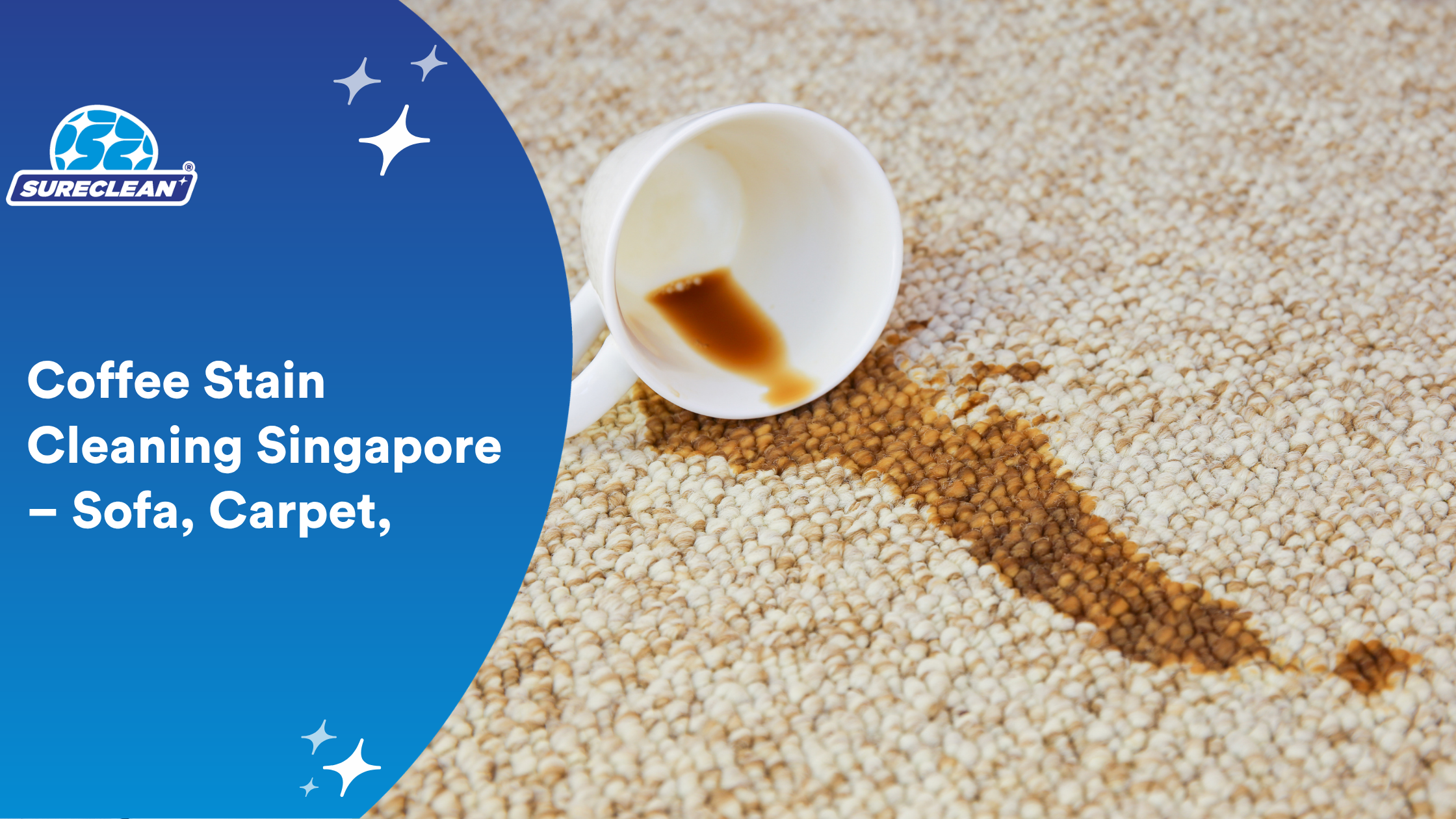
Red Flag #1: Persistent Odours That Won’t Go Away
You’ve Febreezed. You’ve opened windows. You’ve even left baking soda on the cushions overnight. But that musty smell returns within days. Here’s what’s happening beneath the surface of your fabric sofa:
- Mould and mildew growth: Singapore’s humidity (averaging 84%) creates the perfect breeding ground for fungi deep within sofa padding and fibres
- Bacterial colonies: Sweat, food particles, and pet dander create bacterial ecosystems that household sprays can’t penetrate
- Absorbed spills: That coffee or wine that “dried up” actually soaked into foam layers where home cleaning methods can’t reach
- Pet accidents: Urine crystals form deep in cushion cores, releasing ammonia odours whenever humidity rises
For HDB and condo residents, this problem intensifies during monsoon season. The enclosed nature of Singapore apartments means odours have nowhere to escape. Professional upholstery cleaning in Singapore uses extraction equipment that removes contaminants from deep within cushion cores—not just surface fabrics.
At Sureclean, our hot water extraction method reaches temperatures that kill 99.9% of bacteria and mould spores while removing the organic matter they feed on. This isn’t something any consumer-grade cleaner can achieve.
Red Flag #2: Visible Stains That Have Set In
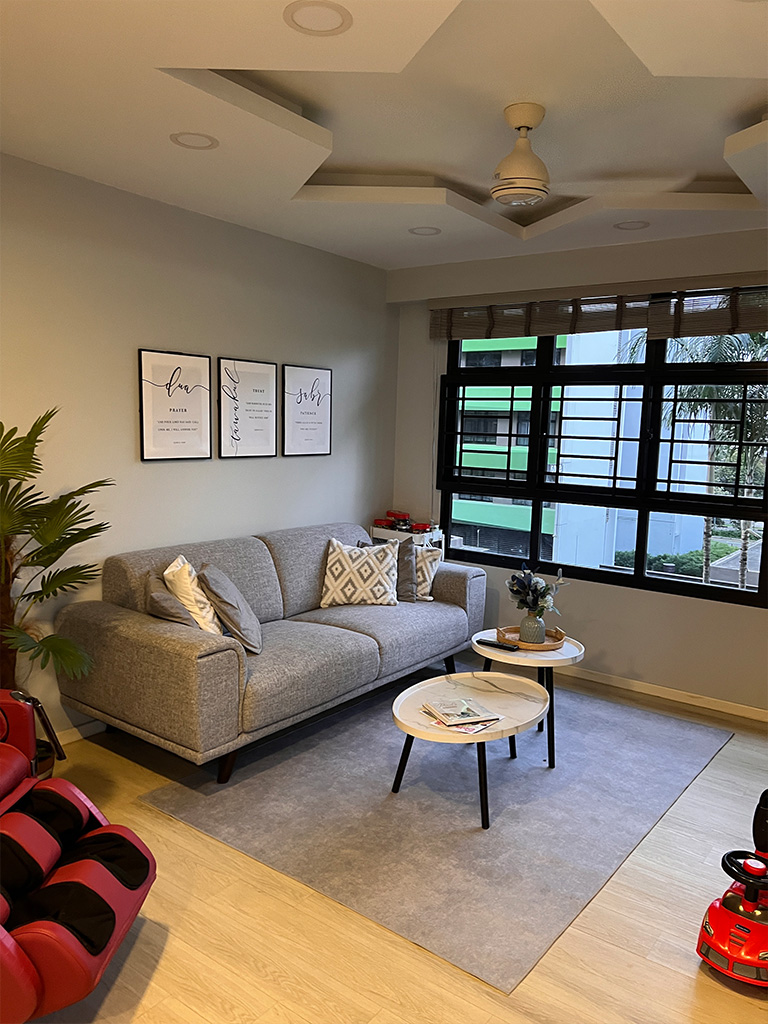
Fresh spills are manageable. Set-in stains are chemical puzzles. When you see these patterns on your upholstery, DIY methods typically make things worse:
Common Singapore Household Stains That Need Professional Attention
- Curry and laksa spills: Turmeric contains curcumin, a natural dye that bonds with fabric fibres on a molecular level
- Red wine and coffee rings: Tannins oxidize over time, becoming darker and more difficult to remove
- Soy sauce and dark sauces: Combination of protein and pigment that requires specific pH-balanced treatments
- Ink and marker: Solvent-based stains that spread when treated with water-based cleaners
- Makeup and foundation: Oil-based cosmetics that require emulsification before extraction
Here’s the critical issue many Singaporeans don’t realize: using the wrong DIY cleaner can permanently set stains. Heat-based cleaning on protein stains (like blood or milk) cooks the proteins into the fabric. Bleach on colour-fast fabrics causes irreversible discolouration. Rubbing spreads stains deeper into fibres.
Professional sofa cleaners conduct fabric tests to identify fibre type and stain composition before applying targeted treatments. For delicate fabrics common in condo furnishings—like chenille, velvet, or linen blends—this expertise is non-negotiable.
Red Flag #3: Allergy Symptoms Are Getting Worse
Has anyone in your household experienced increased sneezing, itchy eyes, or respiratory issues at home? Your sofa might be the culprit. Singapore’s year-round warmth means dust mites thrive continuously, unlike temperate climates where winter provides natural population control.
Hidden Allergens in Singapore Upholstery
- Dust mites: A single sofa can harbour over 100,000 dust mites, feeding on dead skin cells
- Pet allergens: Cat and dog dander embeds deeply in fabric weave, even in “non-shedding” breeds
- Pollen: Tracked indoors from Singapore’s parks and nature reserves, pollen clings to upholstery fibres
- Outdoor pollution: PM2.5 particles from traffic and regional haze events settle into furniture
- Mould spores: Invisible to the eye but triggering respiratory reactions
The Ministry of Health Singapore reports that 20% of Singaporeans suffer from allergic rhinitis. Your sofa could be exacerbating symptoms, especially for children and elderly family members who spend significant time on upholstered furniture.
Professional sofa cleaning services don’t just clean surfaces—we sanitize. Our process includes:
- High-powered HEPA vacuum extraction that removes 99.97% of particles down to 0.3 microns
- Hot water extraction at 70-80°C that kills dust mites and denatures allergen proteins
- Anti-allergen treatments that neutralize remaining irritants
- Fast-drying techniques (4-6 hours) that prevent mould growth during drying
For HDB families with young children crawling on sofas, or elderly residents with compromised immune systems, this level of sanitation provides measurable health benefits.
Red Flag #4: Your Sofa Looks Prematurely Aged
You bought that sofa only 2-3 years ago, but it already looks 10 years old. The fabric feels rough, colours have dulled, and cushions look flattened. This premature aging results from accumulated grime acting as an abrasive:
- Body oils create a sticky film: This film attracts dust, creating a grinding paste that wears down fibres with every use
- Dirt particles act like sandpaper: Microscopic soil particles cut fibres at the root, causing the fuzzy, worn appearance
- UV exposure through windows: Singapore’s intense equatorial sun (UV Index often 11+) fades colours while grime accelerates photodegradation
- Improper cleaning attempts: Over-wetting, harsh chemicals, or aggressive scrubbing damage fabric structure
The Economics of Professional Cleaning vs. Replacement
Consider this real-world scenario common among Singapore households:
A quality 3-seater fabric sofa costs $1,200-$3,000 from furniture retailers like Castlery, FortyTwo, or Courts. Professional cleaning costs from $225* (before GST) for a 3-seater at Sureclean. Even with annual professional cleaning, you’d spend $1,125 over five years—extending your sofa’s life to 10-more than a decade instead of replacing it at 5 years.
The math is compelling: professional upholstery cleaning in Singapore pays for itself many times over by protecting your furniture investment.
Singapore-Specific Furniture Care Challenges
HDB Upholstery Care Considerations
HDB living rooms typically range from 130-180 sq ft, with sofas positioned near windows for natural light. This creates unique challenges:
- High traffic concentration: Smaller spaces mean more wear per square inch of upholstery
- Window exposure: Direct afternoon sun through west-facing windows accelerates fading
- Cooking proximity: Open-concept layouts mean grease particles settle on furniture
- Limited drying space: Wet cleaning requires furniture to dry in-situ without alternative seating
Sureclean’s extraction equipment removes 95% of moisture, allowing HDB sofas to dry within 4-6 hours—you can use them again by evening.
Condo and Landed Property Concerns
Higher-end properties feature premium fabrics requiring specialized care:
- Italian linen and Belgian fabrics: Water-sensitive materials needing low-moisture cleaning
- Designer upholstery: Custom colours that require pH-neutral solutions to prevent dye bleeding
- Delicate weaves: Jacquard, damask, or embroidered fabrics that can’t withstand aggressive cleaning
- Larger furniture: Sectionals and statement pieces requiring commercial-grade equipment
Our technicians receive ongoing training in fabric identification and treatment selection—crucial when working with high-value furnishings common in Singapore condominiums.
What Professional Sofa Cleaning Actually Involves
Understanding the process helps you appreciate why DIY methods can’t match professional results:
Step 1: Pre-Inspection and Fabric Testing
We identify fabric type (cotton, polyester, microfiber, velvet, etc.) and conduct colourfast tests in inconspicuous areas. This 5-minute step prevents 90% of cleaning disasters.
Step 2: Dry Soil Removal
Industrial HEPA vacuums remove loose debris, pet hair, and surface dust. This prevents mud formation when wet cleaning begins.
Step 3: Pre-Treatment Application
Targeted solutions break down specific stains—enzymatic cleaners for organic matter, solvent-based for oils, oxidizers for dyes. Professional-grade products aren’t available to consumers.
Step 4: Hot Water Extraction
Truck-mounted or portable extraction units inject heated cleaning solution at controlled pressure, then immediately extract it along with dissolved soil. Water temperature (70-80°C) sanitizes while cleaning.
Step 5: Speed Drying
Air movers and dehumidification equipment reduce drying time to 4-6 hours instead of 24-48 hours with DIY methods. This prevents mould growth in Singapore’s humid climate.
Step 6: Post-Cleaning Inspection
We verify stain removal, check for remaining odours, and apply fabric protector if requested.
When DIY Cleaning Is Appropriate (And When It Isn’t)
We believe in transparency. Not every cleaning situation requires professional service. Here’s an honest assessment:
DIY Is Suitable For:
- Fresh spills (under 10 minutes old) blotted immediately
- Weekly vacuuming maintenance
- Spot cleaning small, non-staining substances
- Surface refreshing with fabric-safe sprays
Professional Cleaning Is Necessary For:
- Annual deep cleaning (recommended frequency in Singapore climate)
- Stains older than 24 hours
- Odour issues indicating deep contamination
- Allergy problems related to upholstery
- Pre-sale cleaning to maximize property value
- Post-renovation dust and debris removal
- Pet accident cleanup requiring enzyme treatment
Sureclean’s Professional Sofa Cleaning Pricing
We believe in transparent, straightforward pricing with no hidden charges. Here’s what professional fabric sofa cleaning costs in Singapore:
Sofa & Upholstery Cleaning (Fabric Only)
- 5-seater: from $265* (before GST) | +$15 for L-shape
- 4-seater: from $245* (before GST) | +$15 for L-shape
- 3-seater: from $225* (before GST) | +$15 for L-shape
- 3-seater Sofa Bed: from $255* (before GST)
- 2-seater: from $205* (before GST)
- Armchair: from $160* (before GST)
- Chaise: from $180* (before GST)
- Dining Chair: from $75* (before GST)
- Ottoman: from $75* (before GST)
*All prices shown are “from” prices for guidance only and are subject to change without notice. Final pricing depends on item size, condition and site access — we confirm an exact written quote on WhatsApp (+65 6983 9523) before any booking is confirmed.
