

Sureclean: Impact, VOCs, Pets & Cleaning
“`html Reading Time: 3 minutes# Impact, VOCs, Pets & The Importance of Formaldehyde Removal in Singapore
Just moved into a new BTO or renovated condo? Your walls, cabinets, and flooring likely release formaldehyde gas. Singapore’s tropical heat and humidity trap these harmful chemicals indoors. They mix with pet hair, cooking smells, and dust. Ignoring these pollutants causes ongoing irritation and worsens allergies. Learn how to remove formaldehyde and protect your family’s health and comfort at home.
## What Is formaldehyde removal?
Formaldehyde removal breaks down trapped chemicals at the molecular level. It does not just mask odours. This colourless gas seeps from engineered wood, glues, and sealants in new buildings and renovated flats. Our service uses industrial-strength oxidising catalysts. They react with formaldehyde molecules and turn them into harmless water vapour and carbon dioxide. Unlike air filters or fans, true removal reaches deep into porous surfaces. It stops the off-gassing cycle and restores safe air quality levels.
## Why Professional formaldehyde removal Matters in Singapore
Singapore’s homes and climate trap airborne chemicals in unique ways. Most HDB and condo units seal windows during heavy rain or haze. This concentrates chemical off-gassing indoors. High humidity slows natural evaporation. Harmful compounds stay in the air longer. When these mix with pet hair, mould, and dust mites, they trigger respiratory problems. Residents face asthma attacks, dry coughs, and sleep loss. Professional treatment uses moisture-controlled extraction and proven catalytic coatings. It neutralises embedded pollutants that fans cannot reach. This ensures safe air for children, elderly residents, and sensitive households.
## What’s Included in Sureclean’s formaldehyde removal
– Baseline testing with calibrated sensors in high-risk areas
– Full assessment of laminates, MDF cabinets, wall panels, and floor glues
– Industrial HEPA-14 filters paired with commercial carbon air scrubbers
– Application of safe photocatalytic neutralisers on all porous materials
– Thermal extraction to remove trapped chemicals from sofas, curtains, and mattresses
– Controlled dehumidification and strategic cross-ventilation to lock in results
– Detailed post-treatment report with before-and-after formaldehyde data
– 90-day re-evaluation guarantee with free follow-up if levels exceed NEA standards
## Sureclean vs DIY
Consumer sprays, vinegar, and charcoal packets only hide surface odours. They ignore continuous chemical leaks from deep inside pressed wood and glues. DIY methods lack humidity control and air monitoring. This risks uneven application or chemical buildup. Sureclean follows strict treatment protocols aligned with safety standards. We use lab-tested catalysts that permanently break down formaldehyde. Real-time air sampling and documented results back our work. You breathe properly instead of guessing.
## Pricing Guide
FORMALDEHYDE REMOVAL: contact for quote based on unit size.
## FAQ — 5 questions about impact voc pets importance removal singapore in Singapore
**1. How do VOCs actually affect indoor air quality after a renovation?**
Fresh paint, new furniture, and laminate flooring release formaldehyde and solvents for months. In enclosed Singapore flats, these compounds build up fast, especially during monsoon season when windows stay closed. Residents often experience eye irritation, throat tightness, and poor sleep. They mistakenly think it is seasonal allergies.
**2. Are the neutralising agents safe for dogs, cats, and small caged animals?**
Yes. Our catalysts are water-based and zero-VOC. They work through oxidation on surfaces only. They contain no harsh ammonia, chlorine, or fake fragrances that upset animals. After 90 minutes of drying and ventilation, pets safely move across treated floors and furniture. No paw irritation or breathing problems occur.
**3. Why is professional removal
“`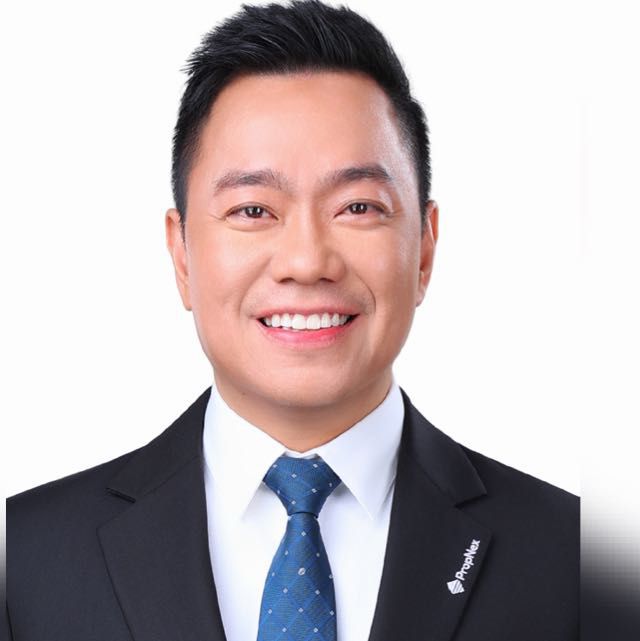
Alvin Tan
Founder & Managing Director, Sureclean
Alvin founded Sureclean in 2013 to bring reliable, professional cleaning standards to homes and businesses across Singapore. Today, Sureclean is NEA Class 3-licensed (NEA240120/6509C/C3/N01), rated 4.9★ across 1,548+ Google reviews, and has served over 50,000 homes across Singapore — backed by S$1,000,000 in public liability insurance and a 400-hour training standard for every crew member.
