

DIY Curtain Cleaning Singapore: Natural, Sureclean
Tired of dingy drapes and dusty drapes? Discover the secret to pristine curtains right in your Singapore home with our expert guide to natural curtain cleaning. At Sureclean, we understand that your curtains are more than just fabric; they’re a vital part of your home’s aesthetic and air quality. While professional cleaning is often the best route, we’re here to equip you with effective DIY methods using safe, non-toxic solutions. Learn how to refresh your home’s ambiance and tackle common curtain woes, all while keeping them looking their best in Singapore’s humid climate.
Why Natural Curtain Cleaning Matters in Singapore’s Climate
Singapore’s unique tropical environment presents specific challenges for home furnishings, especially curtains. High humidity can lead to mold and mildew growth, while dust and airborne pollutants are constant issues. Traditional cleaning methods might rely on harsh chemicals that can damage delicate fabrics, fade colours, or leave behind residues that trigger allergies. Opting for non-toxic curtain cleaning not only preserves the integrity and lifespan of your curtains but also contributes to a healthier indoor environment for your family. Effective home curtain care Singapore involves regular maintenance that combats these local environmental factors without compromising your well-being.
DIY Natural Curtain Cleaning Methods You Can Try at Home
Refresh your curtains with these simple, effective DIY techniques that leverage the power of natural ingredients. These methods are designed to be gentle yet powerful, suitable for various fabric types and perfect for maintaining cleanliness between professional cleans.
1. The Gentle Vacuum & Dusting Method
Regular dusting is your first line of defence against accumulated dust and allergens.
- What you need: Vacuum cleaner with a soft brush attachment, a clean microfiber cloth.
- How to do it: Ensure your vacuum cleaner has a soft brush attachment to avoid snagging the fabric. Gently vacuum both sides of your curtains, working from top to bottom. For delicate fabrics, a light dusting with a dry microfiber cloth can be a gentler alternative or a complementary step. This is a crucial part of curtain cleaning tips Singapore for daily upkeep.
2. Spot Cleaning with Natural Solutions
For minor spills and stains, a targeted approach is best.
- What you need: Distilled water, white vinegar, mild dish soap (eco-friendly), clean spray bottle, clean cloths.
- How to do it: Mix a solution of equal parts distilled water and white vinegar, or add a tiny drop of mild dish soap to water. Lightly mist the stained area (test on an inconspicuous spot first!). Blot gently with a clean cloth, working from the outside of the stain inwards. Avoid oversaturating the fabric. Let it air dry completely.
3. Baking Soda for Odour Removal
Baking soda is a fantastic natural deodorizer, perfect for tackling musty smells that can develop in Singapore’s climate.
- What you need: Baking soda, a salt shaker or fine mesh sieve.
- How to do it: Close your windows and doors to keep the baking soda contained. Lightly sprinkle baking soda evenly over the dry curtains. Let it sit for at least an hour, or even overnight for tougher odours. Thoroughly vacuum the baking soda away using the soft brush attachment.
4. Steaming for a Deep Refresh (Caution Advised)
Steam cleaning can help kill dust mites and freshen fabrics, but it requires caution and is best for certain fabric types. While Sureclean offers professional curtain steam cleaning, a handheld steamer can be used for light refreshers.
- What you need: Handheld fabric steamer.
- How to do it: Ensure your curtains are suitable for steaming (check care labels). Hold the steamer a few inches away from the fabric and move it in a slow, consistent motion. Do not oversaturate. This is a great way to give your curtains a quick refresh and is often a key part of thorough home curtain care Singapore.
When to Call the Professionals: Sureclean Curtain Cleaning
While DIY methods offer a great way to maintain your curtains, some situations call for the expertise of professionals. Deep-seated stains, extensive mildew, delicate or antique fabrics, and the sheer scale of cleaning multiple curtains in a household can be overwhelming for DIY efforts. Sureclean offers professional curtain cleaning Singapore services that are efficient, effective, and safe for your fabrics.
Our expert team uses advanced techniques and eco-friendly solutions to ensure your curtains are not just cleaned, but revitalized. We handle everything from daily curtains to blackout and sheer fabrics, ensuring a thorough clean that you can see and feel. For those seeking comprehensive non-toxic curtain cleaning solutions, especially for those with allergies or young children, our professional service ensures peace of mind.
With Sureclean, you can be confident that your curtains are in good hands. We are NEA-certified, BizSafe Level 3, and have successfully completed over 15,000 cleaning jobs across Singapore, proving our commitment to excellence and customer satisfaction. We understand the nuances of cleaning in Singapore’s environment, from HDB flats to landed properties and condos.
Understanding Your Curtain Cleaning Options & Pricing
At Sureclean, we offer clear and competitive pricing for our professional curtain cleaning services. We provide different pricing tiers based on the type of curtain, ensuring you only pay for what you need.
Our pricing for curtain steam cleaning is per piece:
- Day Curtain: from $35* (before GST)
- Night Curtain: from $35* (before GST)
- Blackout Curtain: from $40* (before GST)
For other cleaning services, please refer to our comprehensive Sureclean Official Pricing page. We believe in transparency, and all prices are listed before GST, which is 9%. Should you have specific requirements or a large number of curtains, please contact us for a tailored assessment to ensure the best possible service and value.
Expert Curtain Cleaning Tips for Singapore Homes
Maintaining clean curtains in Singapore’s climate is an ongoing process. Here are some additional tips to help you keep your curtains looking fresh and vibrant:
- Regular Air Circulation: Open windows and doors daily to allow fresh air to circulate, which helps prevent dampness and the growth of mould and mildew.
- Wipe Down Tracks: Dust and debris often accumulate on curtain tracks. Regularly wipe these down to prevent them from transferring to your curtains.
- Rotate and Ventilate: If possible, periodically take down your curtains to air them out completely, especially if you have heavy fabrics.
- Check Care Labels: Always refer to the care labels on your curtains before attempting any cleaning method, whether DIY or professional.
- Address Spills Immediately: The quicker you act on a spill, the higher the chance of removing it completely without permanent staining.
- Consider Professional Deep Cleans: Schedule professional curtain cleaning at least once or twice a year, depending on your environment and how heavily your curtains are exposed to dust and pollution. This is essential for thorough curtain cleaning tips Singapore, especially for maintaining hygiene.
Frequently Asked Questions About Natural Curtain Cleaning
Q1: How often should I clean my curtains using natural methods?
For light dusting and vacuuming, weekly is recommended. For spot cleaning specific stains or using baking soda for odour, address issues as they arise or periodically once a month. Deep natural cleaning, like steaming, can be done every 2-3 months, depending on your home environment.
Q2: Can I wash my curtains in a washing machine?
Always check the care label! Some delicate fabrics are not machine washable and can be damaged or shrink. If machine washable, use a gentle cycle with cold water and mild detergent. Avoid high heat for drying.
Q3: What’s the best way to remove mould or mildew from my curtains?
For mild mould, a solution of equal parts white vinegar and water can be effective. For severe mould, professional cleaning is highly recommended as it requires specialized treatments to eradicate spores completely and safely.
Q4: Are Sureclean’s professional curtain cleaning services non-toxic?
Yes, Sureclean prioritizes the use of eco-friendly and non-toxic cleaning solutions in our professional services, ensuring the safety of your family and the preservation of your fabrics.
Ready to restore the beauty and freshness of your curtains? While DIY methods are useful for maintenance, trust the professionals at Sureclean for a deep, effective clean. Contact us today for a consultation and let us help you achieve sparkling clean curtains throughout your Singapore home!
Related: Signs of Harsh Chemicals in Curtains | Sureclean Singapore
*All prices shown are “from” prices for guidance only and are subject to change without notice. Final pricing depends on item size, condition and site access — we confirm an exact written quote on WhatsApp (+65 6983 9523) before any booking is confirmed.
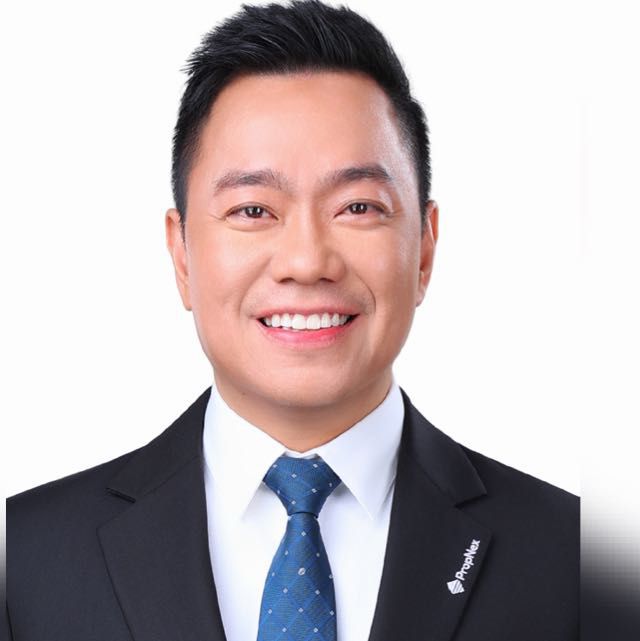
Alvin Tan
Founder & Managing Director, Sureclean
Alvin founded Sureclean in 2013 to bring reliable, professional cleaning standards to homes and businesses across Singapore. Today, Sureclean is NEA Class 3-licensed (NEA240120/6509C/C3/N01), rated 4.9★ across 1,534+ Google reviews, and has served over 50,000 homes across Singapore — backed by S$1,000,000 in public liability insurance and a 400-hour training standard for every crew member.
