


Sureclean’s Guide: Cleaning Curtains in Singapore
Dust, moisture, and everyday living can quickly dim the vibrancy of your curtains, transforming them from elegant window treatments into dull hangings. In Singapore’s humid climate, this is an even more common challenge. Knowing how to clean curtains effectively is crucial for maintaining a fresh, healthy, and aesthetically pleasing home or office. At Sureclean, we understand the complexities of fabric care and the importance of pristine window treatments. This comprehensive guide will equip you with the knowledge to tackle curtain cleaning, whether you prefer a DIY approach or professional assistance.
Why Curtain Cleaning Matters in Singapore’s Climate
Singapore’s tropical weather, characterised by high humidity and frequent rainfall, creates a breeding ground for dust mites, mould, and bacteria. Curtains, often overlooked, can accumulate these allergens and pollutants, impacting indoor air quality. Poorly maintained curtains can:
- Trigger allergies and respiratory issues: Dust mites, mould spores, and pet dander can get trapped in fabric fibres, exacerbating asthma, allergies, and other respiratory conditions.
- Cause unpleasant odours: Trapped moisture and pollutants can lead to musty smells, especially in enclosed spaces.
- Deteriorate fabric: Prolonged exposure to moisture and dirt can weaken curtain fibres, leading to premature wear and tear, fading, and discolouration.
- Affect the overall aesthetics: Dingy, stained curtains can detract from the beauty and cleanliness of your living or working space, making it feel less inviting.
Regular cleaning of your window treatments isn’t just about appearance; it’s a vital part of maintaining a healthy home environment. This includes proper curtain washing tips tailored to different fabric types and the specific environmental challenges faced by Singaporean households and businesses.
Understanding Your Curtains: Fabric Types and Cleaning Methods
Before diving into cleaning, it’s essential to identify the fabric of your curtains. Different materials require distinct approaches to prevent damage:
Fabric Curtain Cleaning: A Deeper Dive
Most curtains are made from natural or synthetic fabrics. Here’s a breakdown of common types and how to approach their cleaning:
- Cotton and Linen: These natural fibres are breathable but can be prone to shrinkage and fading. For lighter fabrics, hand washing or a gentle machine wash on a cool cycle with mild detergent is often suitable. Always check the care label. For heavier cotton or linen, dry cleaning might be the safest option, especially for delicate weaves or intricate patterns.
- Polyester and Synthetics: These are generally more durable and easier to clean. Many polyester curtains can be machine washed on a gentle cycle with cold water. They also tend to be more resistant to wrinkles and shrinkage.
- Velvet and Silk: These luxurious fabrics require delicate handling. Machine washing is generally not recommended. Professional cleaning is highly advised to preserve the sheen and texture. For minor dirt, a gentle spot clean with a damp cloth (avoiding excessive moisture) might be possible, but test in an inconspicuous area first.
- Blackout Curtains: These often have a special lining for light blocking. The fabric itself might be polyester, but the lining can be more sensitive. Hand washing or a gentle machine wash is usually best. Avoid high heat when drying, as it can damage the blackout layer.
- Day Curtains (Sheer Curtains): Typically made from lightweight, translucent fabrics like voile or sheer polyester. These can often be machine washed on a delicate cycle with a small amount of mild detergent. Air drying is recommended to prevent shrinkage and damage.
When in doubt, always refer to the manufacturer’s care label. If no label is present, a small, hidden section of the curtain can be tested with your chosen cleaning solution.
DIY Curtain Cleaning: Step-by-Step Guide
For those who prefer a hands-on approach, here’s a guide to cleaning your curtains at home:
1. Preparation is Key
- Vacuuming: Before any washing, thoroughly vacuum your curtains using the upholstery attachment on your vacuum cleaner. This removes loose dust, dirt, and debris, making the subsequent washing more effective and preventing these particles from turning into mud.
- Spot Testing: If you intend to use any detergents or cleaning solutions, always perform a spot test on an inconspicuous area of the curtain (e.g., the bottom hem) to ensure no discolouration or damage occurs.
- Remove Hardware: Take down any hooks, rings, or weights attached to the curtains.
2. Washing Your Curtains
- Machine Washing:
- Check the care label for specific instructions.
- Use a gentle cycle with cold water and a mild detergent.
- Wash curtains in small loads to avoid overcrowding and ensure proper rinsing.
- Consider using a mesh laundry bag for delicate fabrics to prevent snagging.
- Hand Washing:
- Fill a bathtub or large basin with cool water and add a small amount of mild detergent.
- Submerge the curtains and gently agitate the water and fabric. Avoid harsh scrubbing or wringing.
- Drain the soapy water and rinse thoroughly with clean, cool water until all detergent is removed.
- Dry Cleaning (for delicate fabrics): If your curtains are silk, velvet, or have intricate embellishments, professional dry cleaning is the safest bet.
3. Drying Your Curtains
- Machine Drying: Use the lowest heat setting or an air-dry cycle. Overheating can cause shrinkage and damage to certain fabrics and linings. Remove them while slightly damp to minimise wrinkles.
- Air Drying: Hang curtains back on their rods while slightly damp to allow them to air dry. This helps them regain their shape and reduces the need for ironing. You can also hang them on a clothesline outdoors on a breezy day, but be mindful of direct sunlight, which can cause fading.
4. Ironing and Rehanging
- Iron curtains on a low to medium heat setting, depending on the fabric. It’s often best to iron them while still slightly damp.
- Rehang your freshly cleaned curtains and enjoy the revitalised look and feel of your space.
Dealing with Tough Stains on Curtains
Stain removal from curtains can be challenging, especially with delicate fabrics or older stains. The key is to act quickly:
- General Stains (e.g., food, drink): Blot the stain gently with a clean cloth dampened with cool water. For more stubborn spots, a mild detergent solution or a specialised fabric stain remover can be used. Always test in an inconspicuous area first.
- Grease Stains: For fresh grease stains, sprinkle cornstarch or baking soda on the area to absorb the oil. Let it sit for a few hours, then brush it off and follow with a gentle cleaning solution.
- Water Stains: Water stains on certain fabrics can be tough. Sometimes, re-wetting the entire affected panel evenly with a damp cloth can help the water mark blend in as it dries. For serious water marks, professional cleaning might be necessary.
- Mould and Mildew: Mix equal parts white vinegar and water. Lightly dab the affected area with this solution. Ensure proper ventilation. For severe infestations, professional cleaning is recommended.
Remember, harsh scrubbing can damage fabric fibres. Always use a gentle blotting motion.
When to Consider Professional Curtain Cleaning in Singapore
While DIY cleaning can be effective for routine maintenance, there are times when enlisting the help of a professional curtain cleaning Singapore service is the best option:
- Delicate Fabrics: For curtains made of silk, velvet, lace, or heavily embellished materials, professional cleaning ensures they are handled with the utmost care, preserving their texture and appearance.
- Large or Heavy Curtains: Extremely large or heavy curtains can be difficult to manage at home, especially during the washing and drying phases.
- Stubborn Stains: If you’re unable to remove a stain with home methods, professional cleaners have access to specialised solutions and equipment.
- Deep Cleaning and Hygiene: For a thorough cleanse that addresses deep-seated dirt, allergens, and potential mould or mildew, professional services offer a level of deep cleaning that’s hard to achieve at home, especially in Singapore’s climate.
- Time Constraints: For busy homeowners and businesses, outsourcing curtain cleaning saves valuable time and effort.
Sureclean offers expert curtain steam cleaning services in Singapore. Our professional team uses state-of-the-art equipment and eco-friendly solutions to deep clean your curtains, removing dust, allergens, and stains effectively without damaging the fabric. We cater to various curtain types:
- Day Curtain: from $35* (before GST)
- Night Curtain: from $35* (before GST)
- Blackout Curtain: from $40* (before GST)
Our commitment to quality means we are NEA-certified and BizSafe Level 3 accredited, having completed over 15,000 jobs. We ensure your window treatments receive the best care, contributing to a healthier and more beautiful environment.
Frequently Asked Questions About Curtain Cleaning
Q1: How often should I clean my curtains?
A1: For general dust and light cleaning, vacuuming your curtains monthly is recommended. A deep clean is generally advised every 6-12 months, depending on your environment, the fabric type, and whether you have pets or allergies. In Singapore’s humid climate, a more frequent deep clean (e.g., every 6 months) might be beneficial.
Q2: Can I wash blackout curtains in a washing machine?
A2: Many blackout curtains can be machine washed on a gentle cycle with cold water. However, always check the care label. The blackout lining can be sensitive to heat, so avoid high temperatures during washing and drying.
Q3: My curtains have mould. What should I do?
A3: For minor mould spots, a solution of equal parts white vinegar and water can be dabbed onto the affected area. Ensure the curtains are well-ventilated and dried thoroughly. For extensive mould growth, consult a professional cleaning service like Sureclean.
Q4: How does Sureclean’s curtain cleaning process work?
A4: Our professional curtain cleaning involves a specialised steam cleaning technique. We meticulously clean each curtain piece to remove dust, allergens, and stains, restoring their freshness and prolonging their lifespan. We handle different types of curtains, from delicate sheers to heavy blackout fabrics.
Q5: What if my curtains are too big or heavy to remove?
A5: Sureclean’s professional team can often clean curtains in situ. We assess the situation and use appropriate methods to ensure a thorough clean without the hassle of removal for you. However, for certain types and extensive soiling, off-site cleaning might be necessary.
The Sureclean Advantage for Your Window Treatment Care
Maintaining clean and fresh curtains is an essential part of home and business upkeep, especially in Singapore’s unique climate. From understanding different fabrics to tackling stubborn stains, the process can seem daunting. That’s where Sureclean steps in.
As Singapore’s trusted cleaning company, we offer specialised curtain washing tips and professional solutions to keep your window treatments looking their best. Our NEA-certified and BizSafe Level 3 teams are equipped with the expertise and tools to perform effective fabric curtain cleaning, ensuring your curtains are not only visually appealing but also contribute to a healthier indoor environment. We understand the importance of proper window treatment care and are committed to delivering exceptional results.
Don’t let dirt, dust, and moisture dim the beauty of your home or office. Whether you’re looking for a deep clean for your living room drapes or a refresh for your office blinds, Sureclean is here to help. For a home cleaning quote to include your curtains, or for our dedicated curtain cleaning services, please visit Sureclean.com.sg or contact us today!
*All prices shown are “from” prices for guidance only and are subject to change without notice. Final pricing depends on item size, condition and site access — we confirm an exact written quote on WhatsApp (+65 6983 9523) before any booking is confirmed.
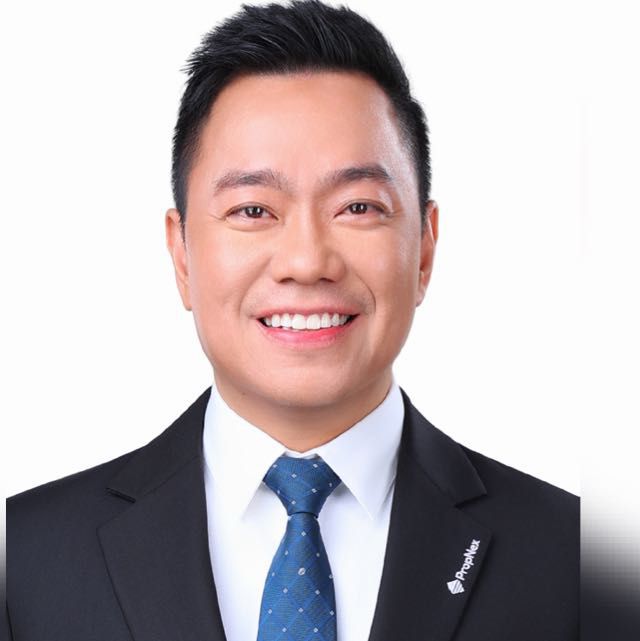
Alvin Tan
Founder & Managing Director, Sureclean
Alvin founded Sureclean in 2013 to bring reliable, professional cleaning standards to homes and businesses across Singapore. Today, Sureclean is NEA Class 3-licensed (NEA240120/6509C/C3/N01), rated 4.9★ across 1,553+ Google reviews, and has served over 50,000 homes across Singapore — backed by S$1,000,000 in public liability insurance and a 400-hour training standard for every crew member.
